November 23, 2026
Rekey or Replace Home Locks: How to Decide
By @safeaccess
Understanding the difference between rekeying and replacement
When you need to secure your home after a move, a lost key, or a security concern, the choice often comes down to rekeying versus replacing the locks. Both options restore control over who can enter, but they work in different ways and suit different situations. Knowing what each involves helps you make a practical decision without overspending or compromising safety.
Rekeying means changing the internal pins inside the lock cylinder so that old keys no longer work. A new key is cut to operate that same cylinder. The lock hardware itself stays in place. Replacement means removing the entire lock assembly and installing a new one. The right choice depends on the condition of your existing locks, the level of security you need, and whether you want to add features like a keypad or smart lock. A professional service such as LocksmithWire can perform either job efficiently, but understanding the basics lets you decide which path fits your situation.
How rekeying works and when to choose it
Rekeying is a straightforward mechanical process. A technician removes the cylinder from the lock, takes out the existing pins, and inserts a new set of pins that match a different key. The lock body, strike plate, and all visible hardware remain unchanged. The result is a lock that functions exactly as before but only responds to the new key.
This option works well in several common scenarios. If you have just moved into a home and do not know who might still have copies of the old keys, rekeying all exterior locks gives you fresh control. It is also a smart choice after a roommate moves out or a key is lost or stolen. Because the hardware stays the same, the job is usually faster and less expensive than full replacement. Rekeying can also be done to multiple locks so they all operate with a single key, which is convenient for homes with several entry points.
One thing to watch for is the condition of the existing lock. If the cylinder is worn, corroded, or damaged, rekeying may not be reliable. A worn cylinder can cause keys to stick or fail to turn, and new pins may not seat properly in a damaged housing. In that case, replacement is the better route. Also, if you want to upgrade to a higher security grade or add features like a deadbolt with a thumb turn, rekeying does not change the hardware itself. It only changes the keying.
When replacement makes more sense
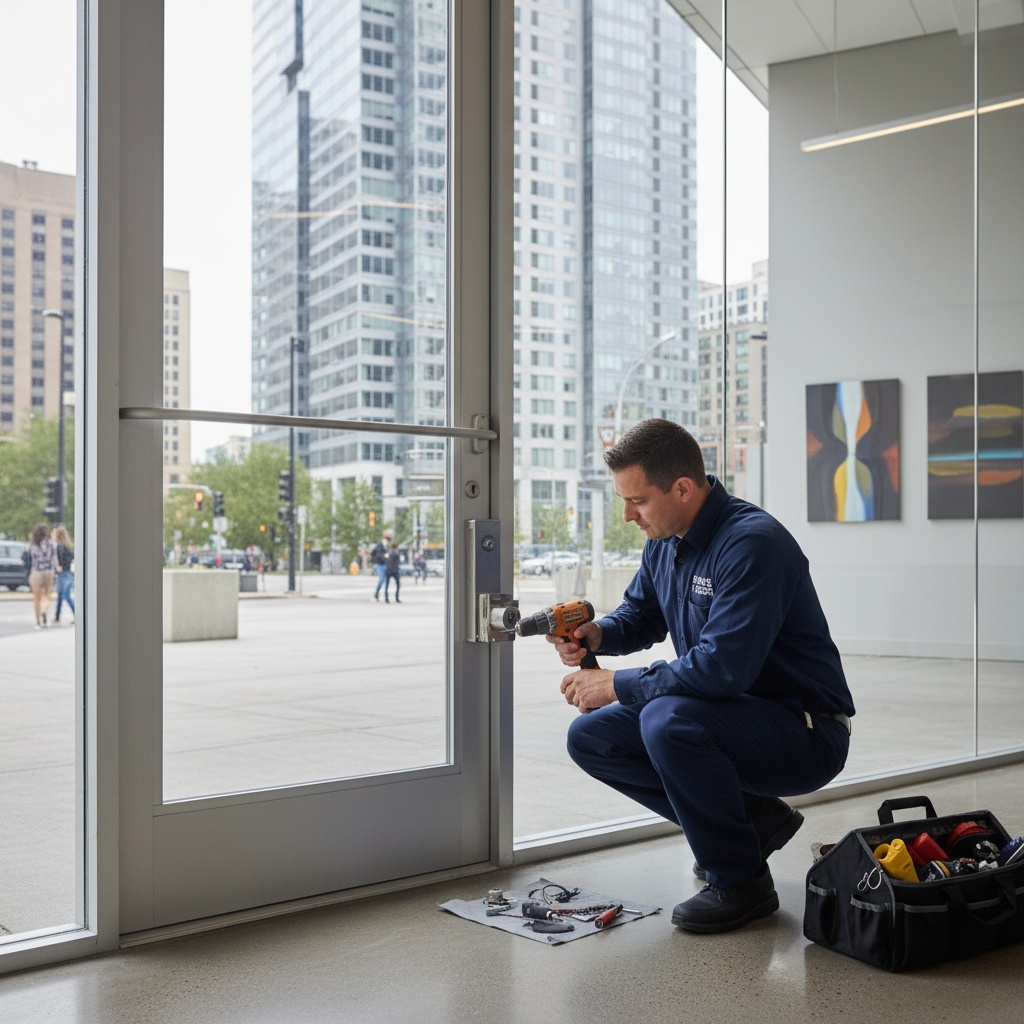
Replacing a lock means removing the old unit and installing a new one. This could be a standard deadbolt, a lockset with a knob, or a more advanced electronic lock. Replacement is necessary when the existing hardware is physically failing or when you want a different type of lock altogether.
Signs that a lock needs replacement include a cylinder that is stripped or cracked, a latch that does not align properly with the strike plate, or a lock that feels loose when turned. Older locks may also lack modern security features such as anti-pick pins, hardened steel inserts, or bump resistance. If your current locks are decades old, replacing them with new models can improve security significantly.
Another reason to replace is when you want to change the lock style or finish. Maybe you are updating your home's exterior and want matching hardware. Or you might want to install a smart lock that works with a keypad or access code. Smart locks cannot be rekeyed in the traditional sense because they do not use mechanical pins. Instead, they rely on electronic components, and changing access is done by reprogramming the codes or deleting user credentials. If you are moving toward a keyless system, full replacement is the only option.
Replacement also gives you the chance to upgrade the strike plate and screws. A standard strike plate is often secured with short screws that only bite into the door frame trim. A longer screw that reaches the wall stud makes the door much more resistant to forced entry. When a new deadbolt is installed, ask for a reinforced strike plate and longer screws. This is a simple upgrade that adds real strength without changing the look of the lock.
Comparing costs and effort
Rekeying is generally the more affordable option because you are paying for labor and a set of pins rather than for new hardware. The cost adds up if you have many locks, but even then it is usually less than replacing every lock. Replacement involves the price of each new lock plus installation labor. Higher-end locks or smart locks increase the cost accordingly.
Time is another factor. Rekeying a single lock can be done in minutes. Replacing a lock takes a bit longer because the old hardware must be removed, the new one fitted, and the alignment checked. If you have several doors, replacement can become a half-day job. However, the time difference is small enough that it should not be the main deciding factor. What matters more is whether the new lock gives you benefits that rekeying cannot.
What to check before deciding
Before you call a professional, take a close look at each lock you are considering changing. Check for visible wear, rust, or damage. Turn the key and see if the action is smooth. If the lock sticks or requires jiggling, the cylinder may be worn. Look at the screws holding the strike plate. If they are short or the plate is loose, that is a weak point that replacement can fix.

Also consider how many keys you want to carry. If you have multiple locks that currently use different keys, rekeying them all to one key simplifies life. If you are comfortable with a single key for everything, rekeying is a clean solution. If you want to eliminate keys entirely, replacement with a keypad or smart lock is the path to take.
Security considerations for each option
Rekeying does not change the grade of the lock. If your existing locks are basic builder-grade models, they may be easier to pick or force open than higher-security locks. Rekeying leaves that same level of protection in place. Replacement lets you choose a lock with a higher security rating, such as ANSI Grade 1 or Grade 2 deadbolts, which are tested for strength and durability.
Electronic locks add a different kind of security. With a keypad or smart lock, you can set temporary access codes for guests or service workers and delete them later. There is no physical key to lose or copy. However, electronic locks rely on batteries, and if the batteries die, you need a backup method to get in. Many models include a physical key override or a nine-volt battery jump start. Weigh the convenience against the maintenance.
For homes with a master key system, rekeying can preserve that setup. If you want all locks to work with a master key while each lock still has its own individual key, a locksmith can rekey them accordingly. Replacement would require setting up the master key system from scratch, which is more complex.
Practical steps to take
Start by listing every exterior door that needs attention. Note the type of lock on each and its condition. Decide whether you want all locks to use the same key or different keys. Also decide if you are ready to move to electronic locks or if you prefer mechanical ones. This list helps you communicate clearly with the technician.
If the locks are in good shape and you just want to change who has access, rekeying is the straightforward choice. If any lock shows signs of wear or if you want to upgrade security or add features, replacement is worth the investment. A professional can give you an honest assessment once they see the hardware, but having your own checklist saves time.
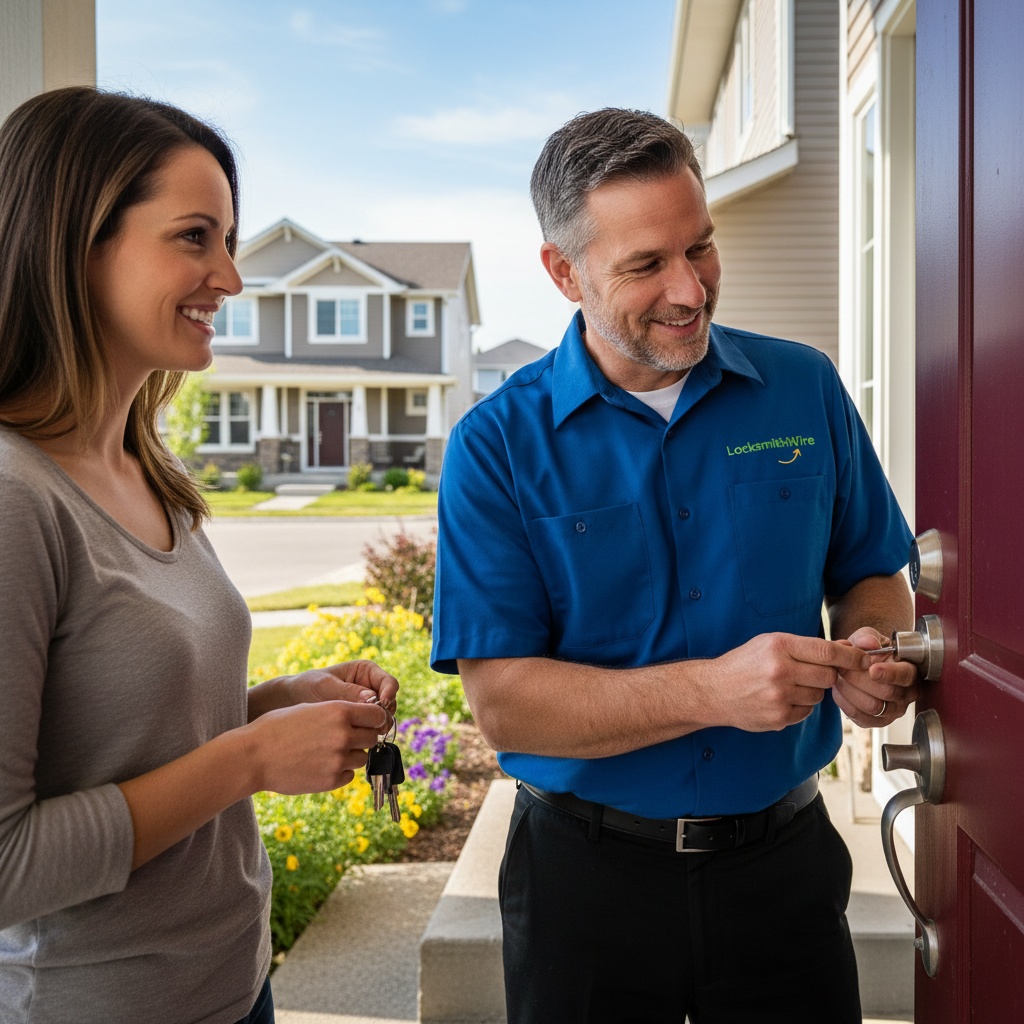
When you schedule the work, ask about the type of cylinder and pins that will be used. For rekeying, a standard pin kit works for most residential locks. For replacement, the technician can recommend a lock that fits your door thickness and bore size. If you choose a smart lock, make sure your door and frame can accommodate it. Some smart locks require a specific backset or a deeper bore.
After the work is done, test every lock from both inside and outside. Make sure the latch engages fully and the deadbolt throws smoothly. Keep the new keys or access codes in a safe place. If you had the locks rekeyed, destroy the old keys so they cannot be used by accident.
Rekeying and replacement each have their place. The right choice depends on the condition of your hardware, your security goals, and whether you want to change the type of lock you use. By understanding what each process involves, you can make a confident decision that keeps your home secure without paying for more than you need.
❧